
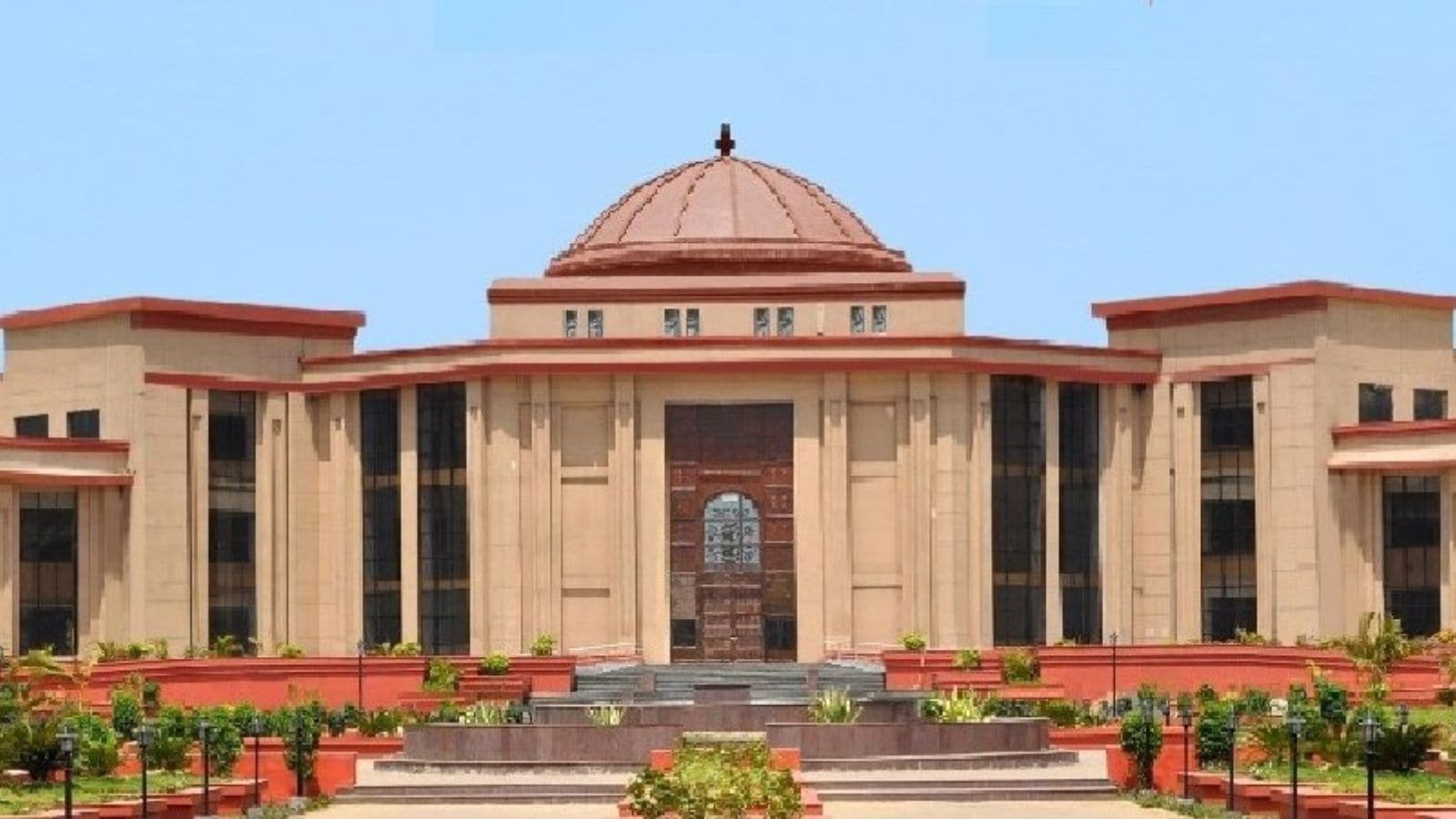
Credit: The Indian Express
The Chhattisgarh High Court has dismissed a writ petition seeking an interim stay on the State government’s June 12, 2026 order directing the recitation of Saraswati Vandana, Guru Mantra, Gayatri Mantra, Shanti Mantra, and Bhojan Mantra in State-funded schools from the 2026–27 academic session. The petition was filed by former Chhattisgarh Waqf Board Chairman Abdul Salam Rizvi, former State Minorities Commission Chairpersons Mahendra Chhabda and Shafique Ahmed, along with the Bilaspur district president of Tahaffuz-e-Namoos-e-Risalat Action Trust, challenging the order as unconstitutional.
The petitioners argued that the directive violates Articles 14, 21, 25, 28(1), 29, and 30 of the Constitution by compelling students belonging to minority communities to participate in prayers rooted in a particular religious tradition. They contended that such a mandate undermines the constitutional principle of secularism and creates an atmosphere where students may feel pressured to engage in religious practices inconsistent with their own faith or conscience.
Rejecting the plea as premature, Justice Amitendra Kishore Prasad observed that the government order does not contain any mandatory or coercive direction requiring students to act against their religious beliefs. The Court further noted that no material had been placed on record demonstrating an actual violation of any fundamental right. The State defended the policy by asserting that the prayers are part of India’s cultural heritage and are consistent with the National Education Policy, 2020, which encourages the integration of Indian Knowledge Systems into education.
While the Court has presently found no constitutional infirmity warranting judicial intervention, the larger question of balancing cultural education with religious neutrality remains significant. Public educational institutions must ensure that initiatives intended to promote India’s cultural heritage do not inadvertently create a sense of exclusion or compulsion among students of diverse faiths. Constitutional secularism is best preserved when cultural appreciation is accompanied by genuine inclusivity, voluntariness, and equal respect for every student’s freedom of conscience.